What is GST? A Complete Beginner's Guide to Goods and Services Tax
Advertisement
If you run a business or have ever looked at a shopping bill, you've probably noticed the term GST. But what exactly does it mean, and why is it added to almost every purchase?
In this guide, we'll explain what GST is, how it works, its types, benefits, and why every business owner should understand it.
What is GST?
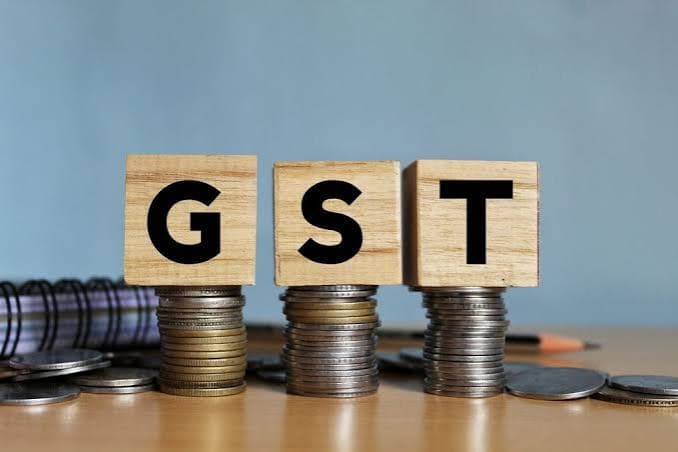
GST (Goods and Services Tax) is an indirect tax imposed on the supply of goods and services. It is charged whenever a product is sold or a service is provided.
GST was introduced in India on 1st July 2017 to replace multiple indirect taxes such as VAT, Service Tax, Excise Duty, Entry Tax, and others with a single, unified tax system.
The primary objective of GST is to simplify taxation, improve transparency, and create a single national market.
How Does GST Work?
Whenever a customer purchases a product or service, GST is added to the selling price.
Example:
Product Price: ₹1,000
GST (18%): ₹180
Total Amount Payable: ₹1,180
The seller collects the GST from the customer and deposits it with the government after adjusting eligible Input Tax Credit (ITC).
Types of GST in India
India has four types of GST:
1. CGST (Central Goods and Services Tax)
CGST is collected by the Central Government on sales that take place within the same state.
2. SGST (State Goods and Services Tax)
SGST is collected by the State Government on transactions within the same state.
3. IGST (Integrated Goods and Services Tax)
IGST applies when goods or services are sold from one state to another or imported into India.
4. UTGST (Union Territory Goods and Services Tax)
UTGST is applicable in Union Territories that do not have their own legislature.
Example of GST Calculation
Suppose a mobile phone costs ₹20,000 and the GST rate is 18%.
Product Price: ₹20,000
GST (18%): ₹3,600
Total Invoice Amount: ₹23,600
If the sale is within the same state:
CGST (9%): ₹1,800
SGST (9%): ₹1,800
If the sale is between two different states:
IGST (18%): ₹3,600
Common GST Rates in India
Different products and services attract different GST rates.
GST RateExamples0%Essential items such as fresh fruits and vegetables5%Basic food products and transportation services12%Processed food items and selected goods18%Most products and professional services28%Luxury products and certain premium goods
Note: GST rates are determined by the government and may change over time for specific products or services.
Benefits of GST
Simplified Tax System
GST replaced multiple indirect taxes with a single tax framework, making compliance easier for businesses.
Better Transparency
GST provides a transparent taxation system where taxes are clearly mentioned on invoices.
Reduced Tax Cascading
Under the previous tax structure, businesses often paid tax on tax. GST minimizes this cascading effect through the Input Tax Credit mechanism.
Easy Input Tax Credit (ITC)
Businesses can claim credit for GST paid on eligible business purchases, reducing their overall tax burden.
Uniform Tax Across India
GST creates a common tax structure across states, making interstate business smoother and more efficient.
Digital Compliance
Most GST registrations, return filings, and payments can be completed online, reducing paperwork and improving efficiency.
Why is GST Important for Businesses?
Whether you own a retail shop, supermarket, restaurant, pharmacy, wholesale business, or online store, GST plays a crucial role in your daily operations.
Understanding GST helps businesses:
Generate tax-compliant invoices
Calculate taxes accurately
File GST returns on time
Claim eligible Input Tax Credit
Avoid penalties due to incorrect tax calculations
Maintain proper financial records
How Billing Software Helps with GST
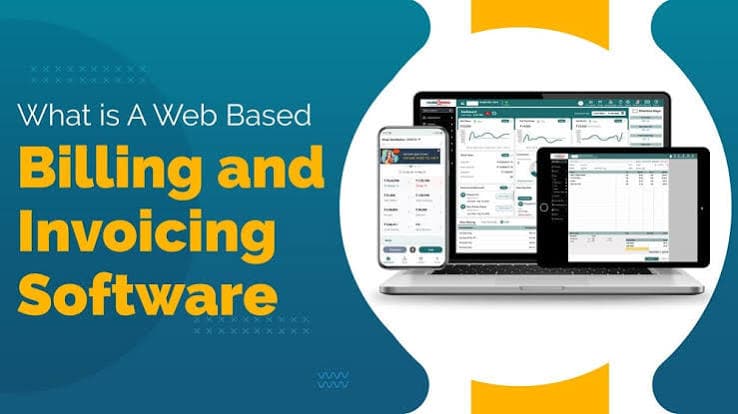
Modern billing software simplifies GST compliance by automatically:
Calculating GST based on product tax rates
Generating GST-compliant invoices
Maintaining sales and purchase records
Preparing GST reports
Reducing manual calculation errors
Saving time during return filing
For businesses handling a large number of daily transactions, billing software significantly improves efficiency and accuracy.
Frequently Asked Questions (FAQs)
Is GST applicable to every business?
Not every business is required to register for GST. Registration depends on factors such as annual turnover, the nature of the business, and applicable GST regulations.
Can businesses claim GST paid on purchases?
Yes. Registered businesses can generally claim Input Tax Credit (ITC) on eligible purchases, subject to GST rules and conditions.
Is GST only for products?
No. GST applies to both goods and services.
Why is GST shown separately on invoices?
GST is displayed separately to ensure transparency and to help businesses maintain accurate tax records.
Conclusion
GST (Goods and Services Tax) has transformed India's indirect tax system by making taxation more transparent, streamlined, and business-friendly. It replaces multiple indirect taxes with a unified framework, making compliance easier for businesses while improving the overall customer experience.
Whether you're a small business owner, retailer, wholesaler, or entrepreneur, understanding GST is essential. By using GST-compliant billing software and maintaining proper records, businesses can reduce errors, save time, and stay compliant with tax regulations.